IPTV Australia Explained: From Internet to Live TV
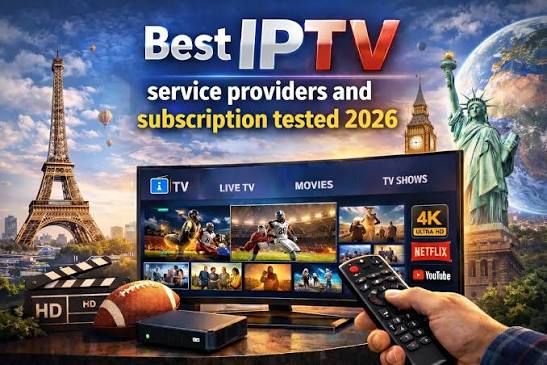
The way we watch television has changed significantly. Instead of depending only on traditional broadcast, cable, or satellite services, viewers can now receive television content through the internet.
This technology is known as IPTV. It allows compatible devices to receive television content through an internet connection. Depending on the provider and its content rights, IPTV can include live TV, sports, news, movies, TV shows, and Video on Demand.
For beginners, IPTV can seem complicated. In reality, the basic idea is simple: television content travels through an internet connection and is displayed on a compatible device.
This guide explains how IPTV Australia works, from the internet connection to watching live TV.
IPTV Australia
IPTV Australia refers to IPTV services available to viewers in Australia. IPTV stands for Internet Protocol Television, which means television content is delivered using an IP network.
Traditional television may use broadcast signals, cable, or satellite. IPTV uses internet-based network technology to deliver available content.
Depending on the provider and its licensing arrangements, IPTV may offer:
- Live TV channels
- Sports programming
- News
- Movies
- TV series
- Documentaries
- Kids' programs
- International channels
- Music
- Video on Demand (VOD)
The exact channels and features depend on the provider.
IPTV Subscription Australia
An IPTV subscription Australia provides access to selected television content for a particular subscription period.
Different subscriptions can have different channel selections, prices, video quality, device limits, applications, and features.
Before choosing a subscription, we should check:
- Available channels
- Live TV options
- Sports coverage
- VOD library
- Streaming quality
- Smart TV compatibility
- EPG availability
- Number of simultaneous streams
- Customer support
- Content licensing
A good subscription should match our viewing needs instead of simply offering the largest number of channels.
How Does IPTV Work?
The basic IPTV process is easy to understand.
First, content is provided through an authorized television or content service. The content is prepared for delivery through an IP network.
The data is then sent through the internet to a compatible device.
The device receives the data and the IPTV application processes it so that we can watch the selected program on the screen.
In simple terms:
Content source → Internet network → IPTV service → IPTV application → Smart TV or device → Television screen
This process happens very quickly, allowing viewers to watch live or on-demand content.
Step 1: Your Internet Connection
The first part of the IPTV process is the internet connection.
Because IPTV uses an IP network, a reliable connection is important for smooth playback.
A poor connection can result in:
- Buffering
- Freezing
- Slow loading
- Lower picture quality
- Playback interruptions
For this reason, we should make sure our home internet connection is stable before using IPTV.
Step 2: The IPTV Service
After the internet connection, the IPTV service provides access to available content.
The provider may offer different categories such as live TV, sports, movies, news, and VOD.
The content available depends on the provider's agreements and rights.
This is why we should check the actual channel list instead of relying only on general advertising claims.
Step 3: The IPTV Application
The IPTV application acts as the interface between the service and the viewer.
Depending on the provider and device, we may use a compatible IPTV application on a Smart TV, streaming device, smartphone, tablet, or computer.
The application may allow us to:
- Browse channels
- Search for programs
- Watch live TV
- Access VOD
- View the EPG
- Save favourite channels
- Control playback
The available features depend on the application.
Step 4: Your Smart TV or Streaming Device
The IPTV application needs a compatible device to display the content.
Depending on the service, IPTV may work with:
- Smart TVs
- Android TV devices
- Google TV devices
- Streaming devices
- Smartphones
- Tablets
- Computers
Before subscribing, we should check whether the provider supports our particular device.
Step 5: Selecting a Live TV Channel
Once the application is connected to the service, viewers can browse the available channels.
We can select a channel and start playback.
For live TV, the content is delivered while the program is being broadcast.
This makes IPTV similar to traditional live television, although the delivery method is different.
What Is Live IPTV?
Live IPTV means television content is delivered in real time over an IP network.
For example, if an authorized sports channel is showing a live event, IPTV can deliver that channel's stream to a compatible viewer.
Live IPTV can be useful for:
- Sports
- News
- Live entertainment
- Events
- Regular television programs
The availability of particular channels and events depends on the provider's rights.
What Is Video on Demand?
Not all IPTV content has to be watched live.
Video on Demand (VOD) allows viewers to choose available content from a library.
Depending on the provider, VOD may include:
- Movies
- TV series
- Documentaries
- Children's programs
- Comedy
- Drama
This gives viewers more control over when they watch available content.
Understanding the EPG
An Electronic Program Guide (EPG) is another useful IPTV feature.
It displays channel schedules and program information.
Instead of scrolling through a large channel list without knowing what is playing, viewers can use the EPG to see:
- Current programs
- Upcoming programs
- Channel schedules
- Program information
A well-designed EPG can make IPTV much easier to navigate.
How Internet Speed Affects IPTV
Internet speed can have a direct effect on streaming quality.
As a general guide, HD streaming may require around 10 Mbps, while 4K streaming can require around 30 Mbps or more.
However, these are only general estimates. Actual requirements depend on the provider, video compression, device, network conditions, and number of connected users.
If several people are streaming or using the internet at the same time, more bandwidth may be needed.
Wi-Fi vs Ethernet for IPTV
IPTV can work through Wi-Fi or Ethernet.
Wi-Fi is convenient because it avoids cables, but the signal can be affected by distance, walls, interference, and network congestion.
Ethernet can provide a more direct connection between the router and device.
If buffering occurs frequently, checking the home network can be a useful first step.
IPTV Picture Quality
The quality of IPTV depends on several factors.
Services may offer content in:
- SD
- HD
- Full HD
- 4K
However, having a 4K Smart TV does not automatically make every IPTV channel 4K.
The source content must be available at that quality, and the service, application, device, and internet connection must also support it.
Why IPTV Can Be Flexible
One of the main attractions of IPTV is its compatibility with internet-connected devices.
Depending on the subscription rules, users may be able to access the service through different supported devices.
This can provide more flexibility than a television setup limited to one screen.
However, we should always check the provider's device and simultaneous-stream rules.
IPTV for Sports Fans
Sports fans may be interested in IPTV because some authorized services provide sports channels and live programming.
Depending on broadcasting rights, sports content may include:
- AFL
- NRL
- Cricket
- Football
- Rugby
- Tennis
- Motorsport
- Basketball
- International sports
The availability of specific competitions and events varies, so viewers should check the provider's current content rights.
Common IPTV Problems
Although IPTV can be convenient, users may experience technical issues.
Common problems include:
- Buffering
- Login problems
- Application crashes
- Slow loading
- Missing channels
- Poor picture quality
Possible causes include internet problems, application issues, device limitations, or provider-side problems.
Checking the internet connection, restarting the application, updating the device, and following the provider's troubleshooting instructions can help with basic problems.
How to Choose an IPTV Provider
Before selecting an IPTV provider, we should compare several factors.
Channel Selection
Check whether the service includes the channels we actually watch.
Device Compatibility
Make sure our Smart TV or streaming device is supported.
Streaming Quality
Check whether the service offers the quality we need.
Customer Support
Look for clear support options if problems occur.
Subscription Terms
Understand the price, duration, renewal, cancellation, and device rules.
Content Licensing
Choose a provider that is properly authorized to distribute its content.
Is IPTV Legal in Australia?
IPTV is a technology for delivering television content through an IP network. The technology itself is not automatically illegal.
The important issue is whether a particular provider has the necessary rights or authorization to distribute the content it offers.
For this reason, we should choose legitimate providers that are transparent about their content rights and operate within applicable Australian laws.
IPTV vs Traditional Television
The main difference between IPTV and traditional television is the delivery method.
| Feature | IPTV | Traditional TV |
|---|---|---|
| Delivery | Internet/IP network | Broadcast, cable, or satellite |
| Internet required | Yes | Depends on service |
| Live TV | Available through supported services | Yes |
| VOD | Often available | Depends on provider |
| Smart TV use | Often supported | Varies |
| Device flexibility | Often high | Varies |
| Quality | Depends on service and connection | Depends on delivery method |
Both options have advantages. The right choice depends on our viewing habits and available services.
Simple IPTV Setup Process
For a basic setup, we can follow these steps:
- Make sure the internet connection is stable.
- Check that the Smart TV or device is compatible.
- Install the provider's recommended application.
- Sign in or enter the required service information.
- Open the available channel list.
- Use the EPG to find programs.
- Select a live channel and begin watching.
The exact setup can vary between providers and devices.
IPTV Australia Checklist for Beginners
Before starting, check:
Reliable internet connection
Compatible Smart TV or device
Supported IPTV application
Desired channels available
Suitable streaming quality
EPG availability
VOD availability if required
Appropriate device limits
Customer support
Proper content licensing
This checklist can help new users avoid common setup and subscription problems.
Conclusion
IPTV Australia is a simple concept once we understand how the different parts work together. An internet connection carries the data, the IPTV service provides authorized content, the application organizes that content, and a compatible device displays it on the screen.
An IPTV subscription Australia can provide access to live TV, sports, movies, news, and VOD, depending on the provider and its content rights.
For the best experience, we should focus on internet reliability, device compatibility, streaming quality, useful channels, customer support, subscription terms, and content licensing.
Understanding the complete process—from the internet connection to the live TV screen—makes it easier to choose and use an IPTV service with confidence.

About Premium Author
This post has been authored and published by one of our premium contributors, who are experts in their fields. They bring high-quality, well-researched content that adds significant value to our platform.
You Might Also Like
Popular Categories
Stay Connected
Recent Posts