The Everyday Appeal of Oversized Hoodies in American Streetwear
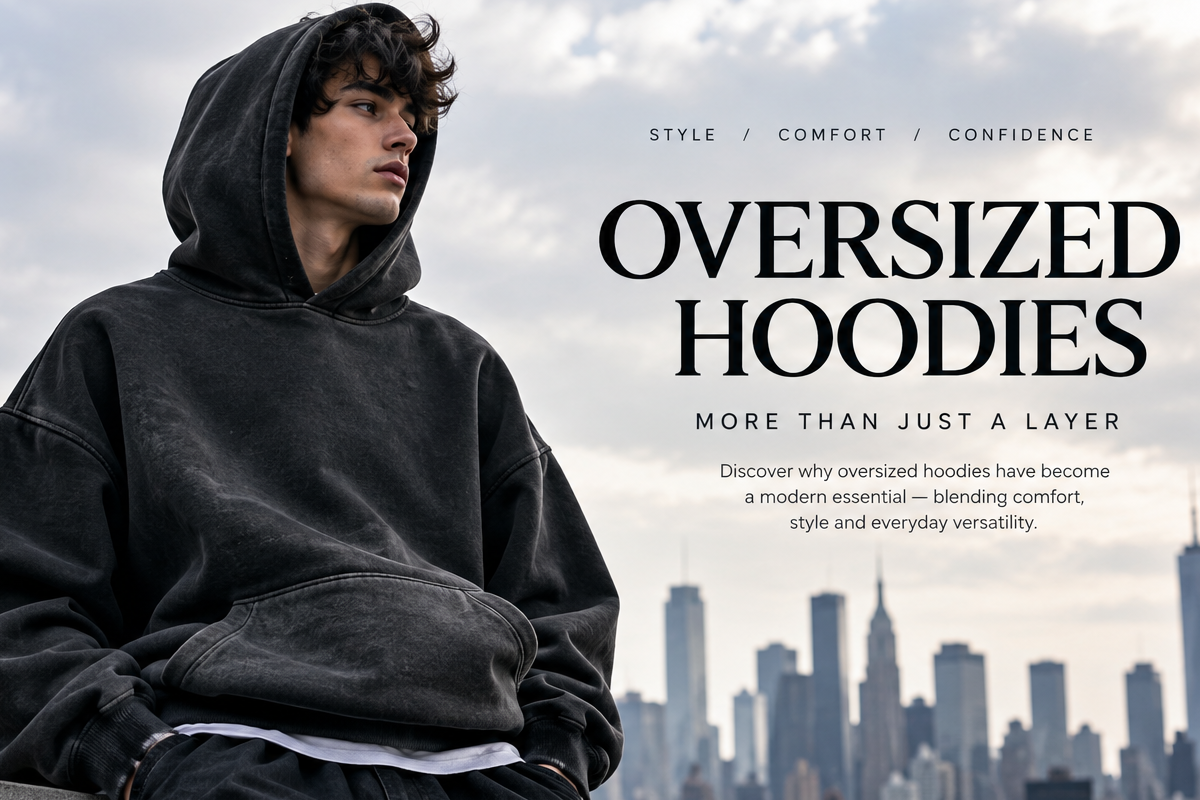
Some clothing pieces become popular because they look different. Others stay popular because people genuinely enjoy wearing them. The Oversized Hoodie falls into both categories. Its roomy shape gives casual outfits a modern edge, while the comfortable fit makes it practical for everyday life.
From college campuses to city streets, weekend coffee shops, music venues, and long road trips, oversized hoodies have become a familiar part of American casual fashion. What started as a relaxed alternative to traditional sweatshirt fits has developed into a style with its own identity.
The appeal is easy to understand. A good hoodie does not ask much from the person wearing it. It can be thrown over a T-shirt, paired with jeans, matched with athletic pants, or layered under a jacket. The oversized cut simply gives those familiar combinations a more relaxed and contemporary character.
Comfort Is Part of the Style
Comfort used to be treated as something separate from fashion. Today, that distinction is much less convincing.
People spend a large part of their day moving between different environments. Someone might work from a café in the morning, run errands in the afternoon, and meet friends in the evening. Clothing that can handle all three situations has obvious value.
An oversized hoodie provides room through the shoulders and body, making movement easier. The extra fabric also creates a softer silhouette, which can make a casual outfit feel less rigid.
Of course, comfort depends on construction. A poorly made hoodie can feel heavy, stiff, or uncomfortable around the neck. Good design comes from balancing fabric weight, proportions, stitching, cuffs, and the shape of the hood.
What Makes the Fit Look Intentional
The oversized look is not simply about purchasing a garment several sizes above your normal size. That approach can create an unbalanced shape.
A properly designed oversized hoodie usually has wider shoulders, additional body room, and sleeves that are intentionally longer. The proportions work together so the garment still looks structured even though it feels relaxed.
Length also matters. A hoodie that is too long can overwhelm a shorter frame, while one that is only slightly oversized may provide a cleaner appearance.
This is why checking garment measurements can be more useful than relying only on labels such as medium, large, or extra large. Two brands can use the same size label while offering completely different dimensions.
The Role of Streetwear
The Streetwear Hoodies have become especially influential because streetwear is built around personal expression rather than a rigid dress code.
The culture draws from many places, including skateboarding, music, sports, vintage clothing, and contemporary art. Hoodies fit naturally into that world because they provide a familiar canvas for visual ideas.
A minimal design can create a clean, understated look. A large back graphic can make the garment the focal point of an outfit. Distressed finishes, embroidered details, faded colors, and unusual typography can push the same basic silhouette in completely different directions.
That flexibility helps explain why hoodies appear across such a wide range of streetwear styles.
Simple Combinations Often Work Best
One of the easiest mistakes with statement clothing is trying to make every part of an outfit compete for attention.
An oversized hoodie can already provide enough visual interest on its own. Pairing it with relaxed jeans and simple sneakers creates an outfit that feels natural without looking overworked.
For a more contemporary street look, try combining the hoodie with cargo pants or wider trousers. The larger proportions complement one another and create a balanced silhouette.
On colder days, the hoodie can become the middle layer beneath a jacket. Denim jackets, bomber jackets, utility coats, and winter outerwear can all work well depending on the season and the overall mood.
Graphic Choices Matter
Graphics can completely change the personality of a hoodie.
Vintage-inspired artwork can create a worn-in feel, while simple lettering may produce a cleaner modern appearance. Large illustrations can make the garment feel bold, while smaller chest graphics can keep it understated.
The quality of the artwork matters just as much as the idea itself. Strong typography, appropriate spacing, and thoughtful placement can make even a simple design feel premium.
Color also affects how a graphic is perceived. A muted print on a dark hoodie may feel subtle, while high-contrast artwork can immediately become the center of attention.
For shoppers, graphic clothing is often less about following a specific trend and more about finding designs that fit their personality.
Seasonal Versatility
Hoodies are often associated with fall and winter, but their usefulness extends throughout much of the year.
During spring, an oversized hoodie can work as a light outer layer. In the summer, it can be useful during cool evenings or heavily air-conditioned indoor spaces. Fall weather practically invites layering, while winter allows the hoodie to become part of a heavier outfit.
Fabric choice determines much of this versatility. Lightweight materials are easier to wear during transitional weather, while heavier fabrics provide more warmth and structure.
This makes the hoodie a practical wardrobe item rather than something limited to a single season.
Choosing a Color That Gets Worn
Trendy colors can be fun, but versatility often comes from neutral shades.
Black is easy to combine with almost anything and can give graphic designs strong contrast. Gray offers a softer alternative and works naturally with denim and casual trousers.
Cream, brown, olive, faded blue, and other muted shades can create a more relaxed or vintage-inspired appearance.
More adventurous shoppers may prefer brighter colors, especially when the hoodie itself is intended to be the standout part of the outfit.
The best color is usually one that fits naturally into the clothes you already own. A hoodie that works with several pairs of pants is likely to become a favorite.
Quality Shows in the Details
It is easy to focus on graphics and color when shopping for a hoodie, but small construction details often determine whether the garment feels high quality.
Look at the stitching around the shoulders and armholes. Check whether the cuffs feel firm without being restrictive. Examine the hood shape and the pocket construction. Fabric should feel appropriate for the intended use rather than simply being heavy for the sake of weight.
A quality hoodie should also maintain its proportions after repeated wear. Shrinking, twisting seams, or stretched cuffs can quickly change the appearance of a favorite piece.
These details may not be noticeable in a product photograph, but they become important once the hoodie enters regular rotation.
Personal Style Matters More Than Rules
Fashion advice often comes with a long list of rules, but streetwear has always been more flexible than that.
Someone may prefer a monochrome outfit built around a black hoodie and black trousers. Another person may combine a colorful graphic hoodie with faded denim and vintage sneakers. Both approaches can work.
The point of oversized fashion is not to create one universal outfit. It is to give people enough room to experiment with proportions and styling.
That freedom is part of the reason the trend has lasted longer than many short-lived fashion movements.
A Style That Continues to Evolve
Fashion rarely remains exactly the same. Oversized silhouettes may become wider or shorter. Graphics may become more minimal. New fabrics and washes may change how familiar garments look.
Even so, the underlying appeal of the oversized hoodie is unlikely to disappear quickly. It combines practical comfort with a strong visual identity, and both qualities matter to modern shoppers.
For American consumers, that combination makes the hoodie useful in everyday situations while still giving them an opportunity to show personal taste.
The Oversized Hoodie has become much more than a loose sweatshirt. It represents a broader shift toward clothing that values comfort, flexibility, and self-expression at the same time. Whether worn with jeans, cargos, sneakers, or layered beneath a jacket, it remains one of the easiest pieces to adapt to modern streetwear.
And perhaps that is the real reason it continues to work. It does not demand a particular lifestyle or a complicated wardrobe. It simply gives a familiar piece of clothing a more relaxed shape and lets the person wearing it decide what comes next.

About Premium Author
This post has been authored and published by one of our premium contributors, who are experts in their fields. They bring high-quality, well-researched content that adds significant value to our platform.
You Might Also Like
Popular Categories
Stay Connected
Recent Posts