Drone with Night Vision: Advanced Eyes for the Dark
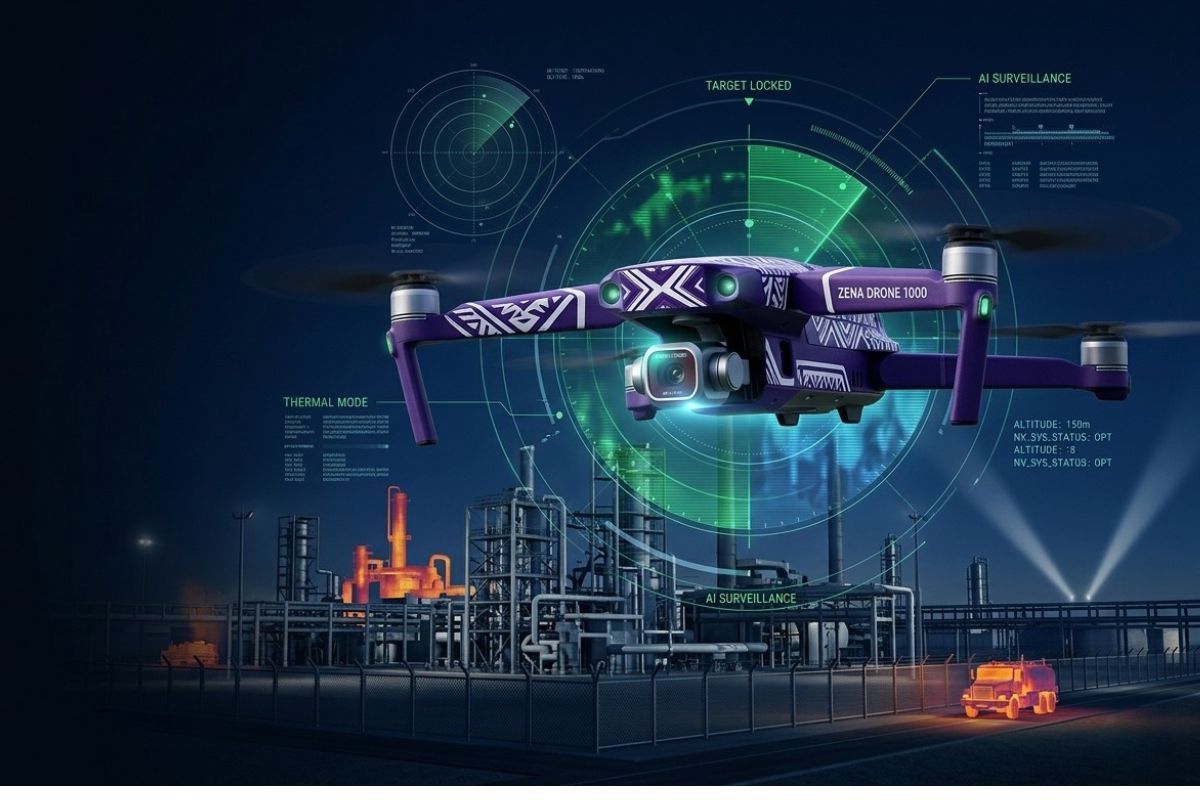
Night operations have become a major focus in industries that depend on aerial monitoring and security. A Drone with Night Vision gives operators the ability to see and record activities in low-light or completely dark environments. Whether used for security patrols, search and rescue missions, wildlife monitoring, or industrial inspections, these advanced drones provide a level of visibility that standard cameras cannot match.
Modern night vision technology combines infrared sensors, thermal imaging, and high-resolution cameras to help users gather valuable information after sunset. As demand for round-the-clock surveillance grows, businesses and government agencies are increasingly investing in these specialized aerial systems.
In this guide, we'll explore how night vision drones work, their key features, practical applications, and what to consider when choosing the best model for your needs.
What Is a Drone with Night Vision?
A Drone with Night Vision is an unmanned aerial vehicle equipped with specialized imaging technology designed to operate in low-light conditions. Unlike standard drone cameras that depend on visible light, night vision systems use infrared or thermal sensors to capture images and video when visibility is limited.
These drones typically fall into two categories:
- Infrared-based systems
- Thermal imaging systems
Some advanced models combine both technologies for greater accuracy and situational awareness.
A professional Night Vision Drone can provide clear visual data during nighttime operations, making it an essential tool for security teams, emergency responders, and industrial inspectors.
How Night Vision Technology Works
Understanding the technology behind night vision helps explain why these drones are so effective.
Infrared Imaging
An Infrared Drone uses infrared sensors to detect reflected infrared light. This allows the camera to capture images even in very low-light conditions.
Benefits include:
- Enhanced visibility at night
- Detection of hidden objects
- Improved navigation
- Real-time monitoring
Infrared technology is commonly used in security and surveillance applications where identifying movement is critical.
Thermal Imaging
A Thermal Imaging Drone detects heat signatures instead of visible light. Every object emits heat, and thermal cameras translate these temperature differences into images.
Thermal imaging can identify:
- People in darkness
- Wildlife hidden in vegetation
- Equipment overheating
- Fire hotspots
- Structural heat leaks
Because thermal imaging relies on temperature rather than light, it remains effective in complete darkness.
Why Businesses Use Night Time Drones
Organizations across multiple industries use Night Time Drones because they provide safer and more efficient monitoring than traditional methods.
Key advantages include:
Improved Safety
Inspecting dangerous locations at night can put workers at risk. Drones eliminate the need for personnel to enter hazardous environments.
Wider Coverage
A drone can quickly survey large areas, reducing the time required for inspections and surveillance.
Lower Operational Costs
Using aerial technology often costs less than deploying multiple personnel or manned aircraft.
Faster Response Times
Emergency teams can gather information immediately without waiting for daylight.
Key Features to Look For
Not all night vision drones offer the same capabilities. Before purchasing, consider these important features.
1. Thermal Camera Integration
A Drone with Thermal Camera provides greater visibility in darkness and adverse weather conditions.
Look for:
- High thermal resolution
- Accurate temperature measurements
- Real-time thermal streaming
- Multiple thermal color palettes
2. Long Flight Time
Longer flight durations allow operators to cover larger areas without interruptions.
Recommended flight times:
- 30–45 minutes for standard operations
- 45+ minutes for professional surveillance
3. High-Resolution Imaging
Clear imagery improves decision-making during missions.
Features to consider:
- 4K video recording
- Zoom capabilities
- Stabilized gimbal systems
4. Obstacle Avoidance
Night flights present additional challenges. Advanced sensors help prevent collisions with trees, buildings, and power lines.
5. Weather Resistance
Professional operators often work in less-than-ideal conditions. Choose drones designed to handle rain, dust, and wind.
Common Applications of Night Vision Drones
The versatility of night vision technology has created opportunities across numerous industries.
Security and Surveillance
A Night Surveillance Drone allows security teams to monitor facilities, warehouses, construction sites, and critical infrastructure.
Benefits include:
- Perimeter patrols
- Intrusion detection
- Real-time alerts
- Evidence collection
Security companies increasingly deploy drones to supplement traditional surveillance systems.
Search and Rescue Operations
Emergency responders use thermal imaging to locate missing individuals.
Advantages:
- Faster search times
- Detection in forests or rough terrain
- Improved success rates
- Reduced risk to rescue teams
A UAV with Thermal Imaging can detect body heat even when a person is hidden by vegetation or darkness.
Wildlife Monitoring
Conservation organizations use drones to study animal behavior without disturbing natural habitats.
Night monitoring helps researchers:
- Track migration patterns
- Prevent poaching
- Monitor endangered species
- Assess habitat conditions
Industrial Inspections
Industrial facilities benefit greatly from thermal imaging technology.
Applications include:
- Power line inspections
- Solar panel monitoring
- Pipeline assessments
- Equipment diagnostics
A thermal camera can identify overheating components before they fail.
Firefighting Support
Fire departments use drones equipped with thermal sensors to locate hotspots and monitor fire spread.
Benefits include:
- Improved firefighter safety
- Better situational awareness
- Faster decision-making
- Enhanced resource deployment
Drone with Thermal Camera vs Infrared Drone
Many buyers wonder whether they need a thermal system or an infrared system.
Infrared Drone
Best for:
- Nighttime visibility
- Security monitoring
- Navigation support
- General surveillance
Pros:
- More affordable
- Clear visual imagery
- Effective in low-light environments
Cons:
- Less effective in complete darkness without infrared illumination
Drone with Thermal Camera
Best for:
- Search and rescue
- Firefighting
- Industrial inspections
- Wildlife detection
Pros:
- Works in total darkness
- Detects heat signatures
- Functions through smoke and light fog
Cons:
- Higher cost
- Thermal images may require interpretation
For many professional users, combining both technologies offers the best results.
Choosing the Best Drone with Night Vision
Selecting the Best drone with night vision depends on your operational goals and budget.
Consider the following factors:
Mission Requirements
Ask yourself:
- Is surveillance the primary goal?
- Will thermal imaging be required?
- How large is the coverage area?
Camera Quality
High-resolution cameras improve image clarity and evidence collection.
Regulatory Compliance
Night drone operations often require specific certifications and approvals depending on local aviation regulations.
Software Integration
Advanced drones include:
- AI-powered tracking
- Automated flight planning
- Real-time analytics
- Cloud-based storage
Budget
Professional systems can range from a few thousand dollars to tens of thousands depending on capabilities.
Commercial Night Vision Drone Solutions
The market for the Commercial night vision drone sector has expanded rapidly in recent years.
Industries investing in commercial systems include:
- Private security firms
- Utility companies
- Government agencies
- Emergency response teams
- Oil and gas operators
Commercial drones often include:
- Enterprise-grade cameras
- Thermal imaging modules
- Long-range communication systems
- Advanced flight automation
These features help organizations conduct efficient nighttime operations while reducing operational risks.
Thermal Camera Drone for Surveillance
A Thermal camera drone for surveillance offers unique advantages over traditional security cameras.
Unlike fixed surveillance systems, drones can:
- Patrol large properties.
- Follow moving targets.
- Investigate alarms instantly.
- Monitor remote locations.
This mobility provides a significant advantage for warehouses, industrial sites, farms, and critical infrastructure facilities.
When combined with AI-powered analytics, thermal surveillance drones can automatically identify unusual activity and notify operators in real time.
The Future of UAVs with Thermal Imaging
Technology continues to improve rapidly.
Future advancements may include:
- Longer flight durations
- Improved thermal sensitivity
- Enhanced AI detection
- Autonomous patrol routes
- Better obstacle avoidance
As hardware becomes more affordable, UAV with thermal imaging systems will likely become common across many industries.
Organizations seeking better security, safety, and operational efficiency are expected to increase their adoption of night vision drone technology.
FAQ Section
What is a Drone with Night Vision used for?
A Drone with Night Vision is used for surveillance, security patrols, search and rescue missions, wildlife monitoring, firefighting support, and industrial inspections in low-light environments.
How does a thermal imaging drone work?
A Thermal Imaging Drone detects heat signatures emitted by objects and converts temperature differences into visible images, allowing operators to see in complete darkness.
Is a Drone with Thermal Camera better than an infrared drone?
It depends on the application. Thermal drones excel at detecting heat sources, while infrared drones provide enhanced visual visibility in low-light conditions. Many professionals use both technologies together.
Can night vision drones be used for commercial surveillance?
Yes. A Commercial night vision drone is commonly used by security companies, utility providers, government agencies, and industrial operators for monitoring large properties and critical infrastructure.
What should I look for in the best drone with night vision?
Important factors include thermal imaging capabilities, flight time, camera quality, obstacle avoidance systems, weather resistance, and compliance with aviation regulations.
Conclusion
A Drone with Night Vision has become an essential tool for modern surveillance, security, emergency response, and industrial operations. Whether equipped as an Infrared Drone, a Thermal Imaging Drone, or a sophisticated Drone with Thermal Camera, these systems provide critical visibility when traditional cameras cannot perform effectively. As technology advances, organizations and professionals seeking reliable nighttime monitoring will continue to invest in the best drone with night vision solutions to improve safety, efficiency, and situational awareness.

About Premium Author
This post has been authored and published by one of our premium contributors, who are experts in their fields. They bring high-quality, well-researched content that adds significant value to our platform.
You Might Also Like


Popular Categories
Stay Connected
Recent Posts